
Threats don’t require physical contact — words alone can lead to prison

Roslan Bin Awang Mohamaad v Prosecutor Many people still think, “I didn’t hit anyone. I only said something.” The problem is, in criminal law, words can be weapons. This case arose from a domestic dispute. A husband argued with his wife over overnight access arrangements and a divorce application. Emotions escalated. Tensions were high. In […]
When the media repeats someone else’s words — defamation is still your responsibility

Many people think, “It wasn’t me who said it. I was just repeating it.” The reality is, the law does not recognise the excuse of “just repeating” when someone’s reputation is destroyed. This case began when a senior lawyer filed a defamation suit after statements about him were published by the media. The statements originated […]
When you apply for an ex parte order — half the story can backfire

Many people think that going to court first, without the other side present, gives them an advantage. Apply ex parte, get a quick order, pressure the opposing party. But the law comes with one major condition: you must disclose everything that matters — not just the parts that benefit you. This case began when an […]
Hibah Is Not Inheritance

Many people confuse hibah with inheritance. Hibah takes effect during a person’s lifetime, while inheritance only begins after death. When hibah is executed properly, the asset no longer forms part of the deceased’s estate and is not subject to faraid. This is why hibah is a protective legal tool, not a shortcut to bypass the […]
Timing Legal Advice Strategically

Legal advice should not be sought only after a dispute has escalated. Early warning signs such as lack of financial transparency, repeated delays, restricted access, or inconsistent explanations warrant immediate attention. Obtaining legal guidance at an early stage is intended to protect one’s position before the situation becomes legally and practically irreparable.
Absence of Documentation Increases Risk
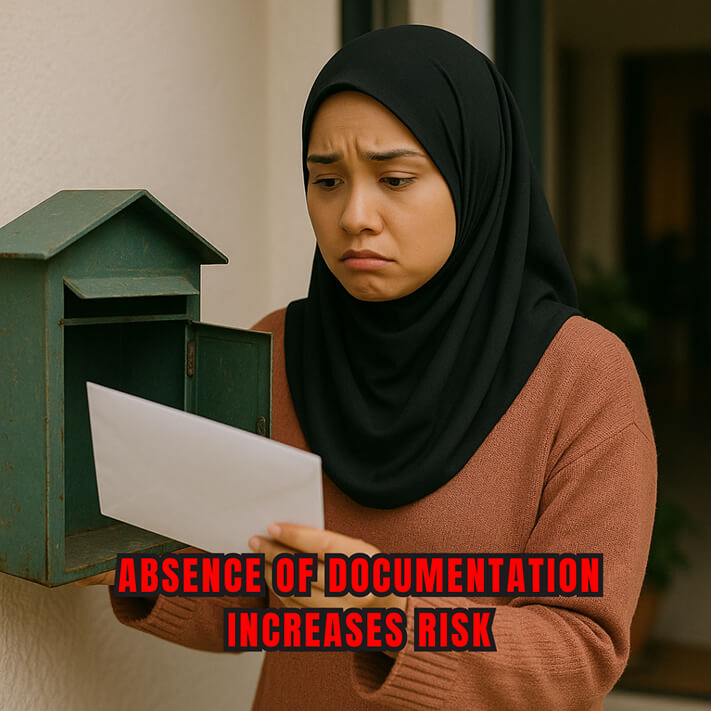
Many financial disputes escalate not because legal rights do not exist, but because supporting documentation is absent. The legal system operates on written evidence, transactional records, and timely actions. Without clear agreements or documentation, parties are forced to rely on assumptions and goodwill, which rarely withstand judicial scrutiny.
Threats as Legal Violations
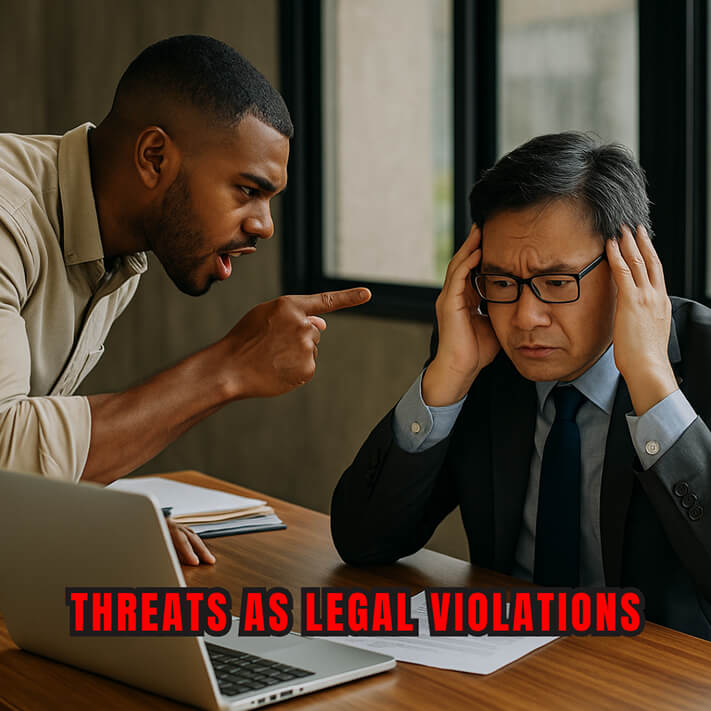
Threats, including intimidation or warnings to expose personal information, are not merely emotional tactics. Under the law, such conduct may constitute criminal offences and may also give rise to civil claims. Choosing silence in response to threats often emboldens the offending party and allows continued manipulation rather than resolving the issue.
Beneficial Ownership Beyond Account Names

Legal rights to money or assets are not determined solely by whose name appears on an account. Courts examine the source of funds, the purpose of transactions, and the level of control exercised over the account. Where it can be shown that funds were contributed for joint purposes or business arrangements, the court may treat […]
Risks of Delayed Financial Disputes

When a party involved in a financial dispute proposes to “discuss amicably,” it is often a strategy to delay decisive action. During this period, funds may be transferred, assets disposed of, and access to accounts restricted. From a legal standpoint, delay can severely prejudice a claim, particularly where evidence is lost or compromised. Entering discussions […]
“Everything Looked Fine… Until Money Went Missing.”

Many partnerships begin with close friends. But everything breaks the moment money enters the picture. Most “silent resentment” cases start when one partner controls everything — bank passwords, business accounts, invoices, suppliers. Without a Partnership Agreement, the law assumes everyone is equal. So when money goes “missing,” it becomes very hard to blame anyone. If […]